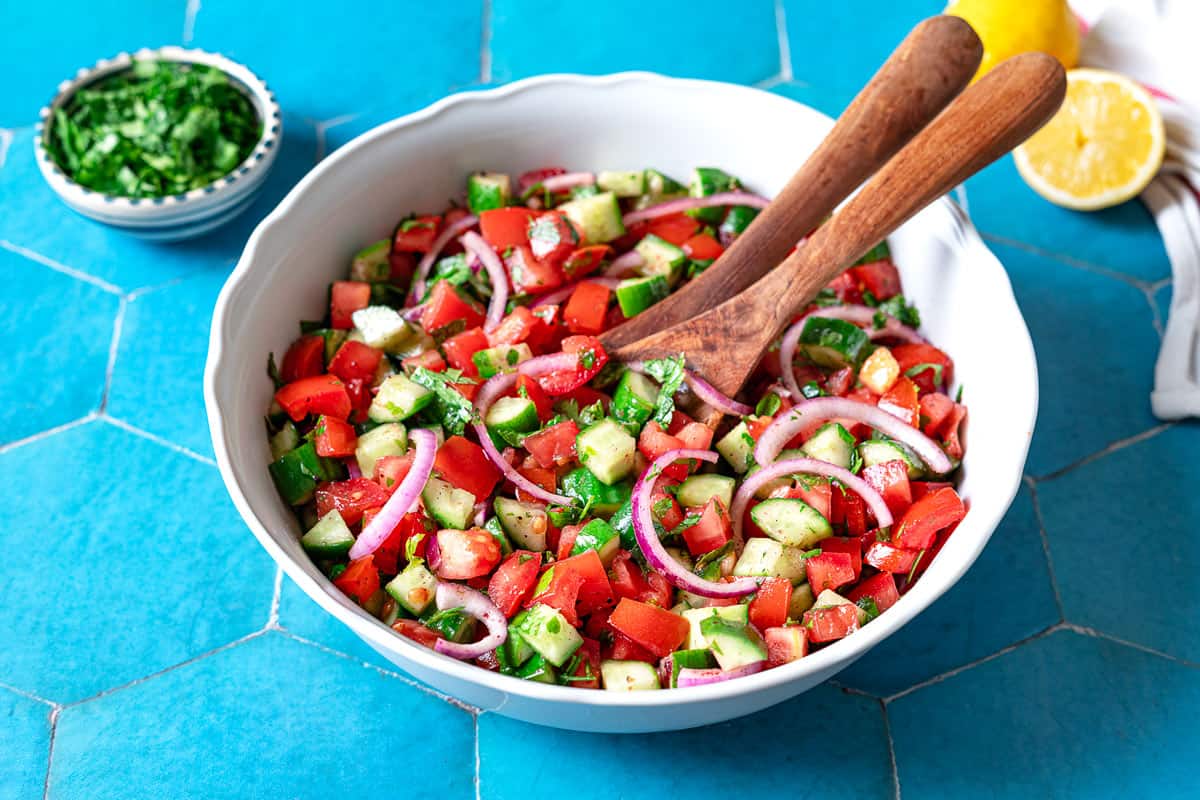
Vibrant Mediterranean Salad Recipes for Fresh, Bold Flavors
There’s something undeniably enchanting about the Mediterranean way of eating – a lifestyle celebrated for its focus on fresh produce, healthy fats, and lean proteins. At the heart of this delicious and nutritious diet lies the incredible versatility of salads. Far from being just a side dish, a well-crafted
mediterranean salad recipe can be a complete, satisfying meal, bursting with flavors that transport you straight to sun-drenched coastlines. Whether you're seeking a light lunch, a vibrant side for your weeknight dinner, or a stunning centerpiece for a gathering, these recipes promise to deliver a taste experience that is both nourishing and exhilarating.
The Heart of the Mediterranean Diet: Why Salads?
The Mediterranean diet isn't just a trend; it's a UNESCO-recognized cultural heritage, revered for its positive impact on longevity and well-being. Salads play a pivotal role, embodying the diet's core principles: an abundance of fresh vegetables, fruits, legumes, whole grains, and healthy fats from sources like extra virgin olive oil. These vibrant bowls are naturally rich in fiber, vitamins, minerals, and antioxidants, while typically being low in saturated fat and processed ingredients.
What truly sets a
mediterranean salad recipe apart is its ability to transform simple, wholesome ingredients into an extraordinary culinary experience. It’s about balance – the tang of citrus, the briny punch of olives, the creamy texture of feta, and the crisp freshness of garden vegetables all coming together in perfect harmony. These aren't your average leafy green salads; they're substantial, satisfying, and designed to leave you feeling energized, not deprived.
Classic Mediterranean Salad Recipes You Must Try
From iconic staples to modern interpretations, the world of Mediterranean salads is rich with options. Each recipe offers a unique blend of textures and tastes, proving that eating healthy can be incredibly exciting.
The Quintessential Greek Salad (Horiatiki Salata)
No discussion of Mediterranean salads is complete without celebrating the beloved Greek Salad, or "Horiatiki Salata." More than just a collection of ingredients, it's a celebration of simplicity and fresh, high-quality produce. This revitalizing dish brings together vibrant colors and flavors, making it a staple on tables across Greece and beyond.
At its core, the Greek salad masterfully combines:
*
Juicy Tomatoes: Ripe, diced tomatoes form the sweet and acidic base.
*
Crisp Cucumber: Diced cucumber adds a refreshing crunch.
*
Bell Pepper: Often red, providing a subtle sweetness and vibrant color.
*
Thinly Sliced Red Onion: A pungent kick that mellows beautifully with the dressing.
*
Kalamata Olives: Briny, meaty, and intensely flavorful, these are non-negotiable.
*
Creamy Feta Cheese: Crumbled or, traditionally, served as a generous slab on top, offering a salty, tangy creaminess.
*
Extra Virgin Olive Oil: The lifeblood of the dressing, rich and fruity.
*
Red Wine Vinegar: Providing the essential tang.
*
Dried Oregano: Earthy and aromatic, tying all the flavors together.
*
Salt and Pepper: To taste.
Making the Perfect Greek Salad: A Step-by-Step Guide
1.
Prepare the Vegetables: In a large bowl, combine 2 large ripe tomatoes (diced), 1 cucumber (diced), 1 red bell pepper (chopped), and 1 small red onion (thinly sliced).
2.
Add Olives and Feta: Scatter 1 cup of pitted Kalamata olives and 1 cup of crumbled feta cheese over the vegetables. For an authentic touch, you might even find large blocks of feta in specialty stores, which can be sliced or gently broken over the salad.
3.
Whisk the Dressing: In a separate small bowl, whisk together ¼ cup extra virgin olive oil, 2 tablespoons red wine vinegar, 1 teaspoon dried oregano, and salt and pepper to taste until well blended. Remember, the quality of your olive oil makes a significant difference here.
4.
Dress and Serve: Drizzle the dressing evenly over the salad ingredients. Gently toss everything together until the vegetables and feta are lightly coated. For the best experience, serve it chilled, allowing the flavors to meld beautifully for a few minutes before serving.
For a deeper dive into crafting this classic, check out our guide:
Easy Greek Salad: Your Guide to a Fresh, Versatile Mediterranean Dish.
Beyond Greek: Exploring Diverse Mediterranean Flavors
While Greek salad is legendary, the Mediterranean basin offers a treasure trove of other exciting salad possibilities. Many countries in the region boast their own versions of "salata" – simple yet incredibly flavorful vegetable mixes.
*
Quinoa Tabbouleh Salad: A revitalizing spin on the traditional Middle Eastern tabbouleh, often made with bulgur. This version swaps bulgur for protein-rich quinoa, combined with finely chopped parsley, mint, tomatoes, cucumber, and a lemon-olive oil dressing. It's incredibly fresh and satisfying.
*
Chickpea and Spinach Salad: A powerhouse of nutrition, this hearty salad brings together protein-packed chickpeas, tender spinach leaves, sun-dried tomatoes, and perhaps some red onion or bell peppers, all tossed in a light, garlicky vinaigrette. It's substantial enough to be a main meal.
*
Tuna Niçoise Salad: Hailing from the French Riviera, this elegant salad combines flaky tuna (often canned in olive oil), green beans, potatoes, hard-boiled eggs, olives, and tomatoes, dressed with a classic French vinaigrette. It's a robust and visually appealing dish.
*
Watermelon and Feta Salad: For something truly unique and refreshing, especially in warmer months, this unexpected pairing is a delight. The sweet juiciness of watermelon perfectly complements the salty, tangy feta, often enhanced with fresh mint and a drizzle of balsamic glaze.
*
Caprese Salad with a Twist: While a classic Caprese (tomatoes, mozzarella, basil) is Italian, giving it a Mediterranean twist might involve adding Kalamata olives, a touch of red onion, or even a different type of cheese for added depth.
These varied options highlight how a
mediterranean salad recipe can be incredibly versatile, using staple ingredients in creative new ways.
Crafting Your Perfect Mediterranean Salad: Tips & Tricks
Achieving that authentic Mediterranean taste relies on a few key principles and practices:
1.
Ingredient Quality is Paramount: The simpler the recipe, the more critical the quality of your ingredients. Choose ripe, seasonal vegetables, high-quality extra virgin olive oil, and fresh herbs. A true "daughter of the Mediterranean" will tell you that you don’t need much to make a fresh, colorful, and delicious Mediterranean Salad – just the best ingredients you can find.
2.
Embrace the Power of EVOO: Extra virgin olive oil isn't just a dressing component; it's a flavor enhancer. Invest in a good quality, cold-pressed EVOO for dressings.
3.
Don't Over-Dress: The goal is to enhance the natural flavors of the produce, not to drown them. A light drizzle of dressing is usually sufficient.
4.
Consider Texture: Mediterranean salads often boast a delightful interplay of textures – the crunch of cucumber, the softness of feta, the chewiness of olives. Don't be afraid to experiment with adding nuts, seeds, or croutons for extra textural interest.
5.
Seasonal Customization: While classics have core ingredients, feel free to adapt your salad to what's in season. Add asparagus in spring, roasted bell peppers in summer, or hearty greens in fall.
6.
Protein Boosts: To transform a side salad into a main course, consider adding grilled chicken, fish (like salmon or cod), chickpeas, lentils, or cannellini beans. This makes your
mediterranean salad recipe even more satisfying and keeps you full longer.
7.
Let Flavors Meld (Sometimes): For some salads, like a Greek salad, letting it sit for a few minutes allows the flavors to deepen. However, be cautious not to let salads with very watery vegetables sit too long, as they can become soggy.
8.
Serve Chilled: Most Mediterranean salads are best served cool, enhancing their refreshing qualities.
For more ideas on how to whip up satisfying salads quickly, check out our insights on
Healthy & Quick Mediterranean Salads: Fresh Flavors in Minutes.
Health Benefits on Your Plate
Beyond their incredible taste, Mediterranean salads are champions of health. They inherently align with dietary recommendations for preventing chronic diseases.
*
Heart Health: Rich in monounsaturated fats from olive oil and omega-3s (if fish is included), they help lower bad cholesterol and protect cardiovascular health.
*
Rich in Antioxidants: The abundance of colorful fruits and vegetables provides a wide spectrum of antioxidants that combat oxidative stress.
*
Fiber Power: Vegetables, legumes, and whole grains contribute significant dietary fiber, aiding digestion and promoting satiety.
*
Lean Protein: With options like chickpeas, lentils, feta, and lean meats, these salads provide essential protein for muscle maintenance and repair.
*
Weight Management: High in fiber and satisfying fats, Mediterranean salads help you feel full without consuming excessive calories, making them excellent for weight control.
Conclusion
The world of Mediterranean salad recipes is a vibrant tapestry of flavors, textures, and health benefits. From the timeless appeal of a Greek salad to the zesty freshness of quinoa tabbouleh, each dish offers an invitation to savor the simple pleasures of good food. By focusing on fresh, high-quality ingredients and embracing a philosophy of balance, you can effortlessly bring the bold, sun-drenched flavors of the Mediterranean into your kitchen. So, gather your freshest produce, uncork your finest olive oil, and embark on a delicious journey to culinary delight and well-being. Your taste buds, and your body, will thank you.