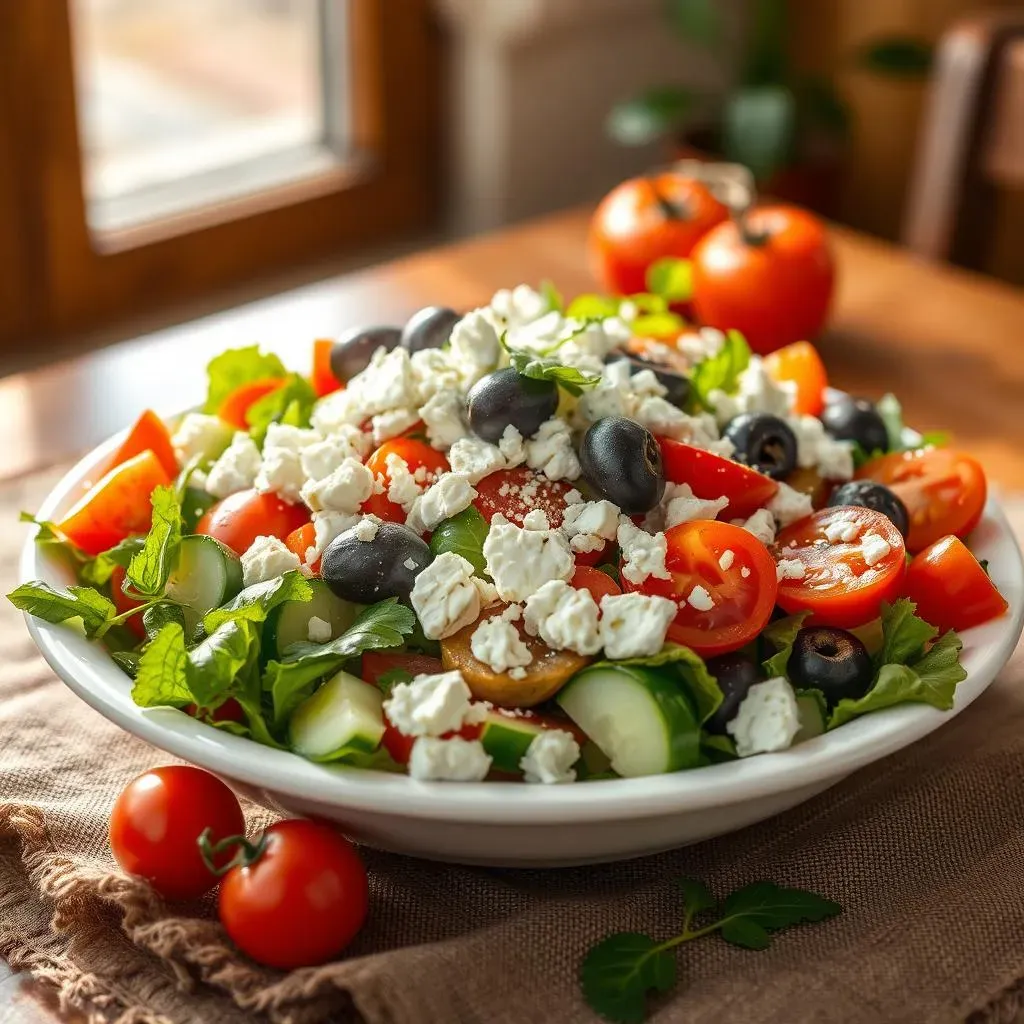
Embark on a culinary journey to the sun-drenched shores of Greece with a dish that embodies freshness, simplicity, and vibrant flavor: the classic Greek salad. More than just a collection of ingredients, this iconic mediterranean salad recipe is a celebration of the region's produce, a testament to the idea that the best meals often require the fewest steps. Whether you’re seeking a light lunch, a refreshing side, or a healthy main course, an easy Greek salad offers a versatile and utterly satisfying solution, bringing a taste of the Mediterranean right to your table.
Known for its robust flavors and wholesome components, the Greek salad stands out as a staple of Mediterranean cuisine. It masterfully combines the creamy tang of feta cheese, the briny punch of Kalamata olives, and the crispness of garden-fresh vegetables, all harmonized by a simple yet potent olive oil and red wine vinegar dressing. It’s a dish that not only tantalizes the taste buds but also nourishes the body, aligning perfectly with the acclaimed health benefits of the Mediterranean diet.
What Makes Greek Salad a Mediterranean Gem?
The allure of the Greek salad, or Horiatiki Salata as it's known in Greece, lies in its unpretentious elegance and commitment to fresh, quality ingredients. This isn't a salad that hides behind elaborate dressings or countless components; instead, it allows each element to shine individually while contributing to a harmonious whole. At its heart, the philosophy is simple: use the best seasonal produce available and let its natural flavors do the talking.
- Vibrant Vegetables: Ripe, juicy tomatoes provide a sweet and acidic base. Crisp cucumbers offer refreshing hydration. Green bell peppers add a delightful crunch and mild sweetness, while thinly sliced red onion delivers a sharp, piquant counterpoint. These vegetables are typically cut into rustic, chunky pieces, reflecting the salad's hearty, country origins.
- Salty & Tangy Accents: Kalamata olives, with their distinct almond shape and rich, fruity, briny flavor, are non-negotiable. They bring a deep umami note that elevates the entire dish. Complementing them is the star of the show: feta cheese. Authentic feta, made from sheep's or a combination of sheep's and goat's milk, is crumbly, creamy, and boasts a wonderfully salty tang that perfectly balances the freshness of the vegetables. Often, a thick slice or block of feta is placed directly on top of the salad rather than crumbled, allowing diners to break off pieces as they eat.
- The Golden Elixir: A generous drizzle of high-quality extra virgin olive oil is crucial. It's not just a dressing component; it's a foundational flavor of Mediterranean cooking. The oil emulsifies with red wine vinegar to create a light, tangy dressing that coats every ingredient, infusing it with a fruity, peppery depth.
- Aromatic Herbs: Dried oregano is the quintessential herb for Greek salad, imparting an earthy, slightly peppery, and subtly floral aroma that ties all the flavors together beautifully.
This combination creates a symphony of textures and tastes – crisp, creamy, salty, sweet, tangy, and earthy – all in one bowl. It's a testament to how simple, wholesome ingredients can come together to create something truly extraordinary, embodying the spirit of a healthy, flavorful Vibrant Mediterranean Salad Recipes for Fresh, Bold Flavors.
Crafting Your Easy Greek Salad: A Step-by-Step Mediterranean Salad Recipe
Preparing an authentic Greek salad is remarkably straightforward, requiring minimal cooking and maximum freshness. This makes it an ideal mediterranean salad recipe for busy weeknights, impromptu gatherings, or whenever you crave a burst of healthy flavor.
Ingredients You'll Need:
- 2 large, ripe tomatoes, preferably vine-ripened, diced into generous chunks
- 1 large cucumber, peeled (or unpeeled if organic), seeded, and diced
- 1 green bell pepper, cored, seeded, and chopped
- 1 small red onion, thinly sliced into half-moons
- 1 cup Kalamata olives, pitted (or unpitted for a more traditional touch, just advise guests)
- 1 cup (about 4-6 oz) authentic block feta cheese, crumbled or cut into large cubes/slab
- ¼ cup extra virgin olive oil (choose a good quality one!)
- 2 tablespoons red wine vinegar
- 1 teaspoon dried oregano
- ½ teaspoon salt, or to taste
- ¼ teaspoon freshly ground black pepper, or to taste
Simple Preparation Steps:
- Prepare the Vegetables: In a large mixing bowl, combine the diced tomatoes, cucumber, chopped green bell pepper, and thinly sliced red onion. For the red onion, if you find its raw pungency too strong, you can briefly soak the slices in a bowl of ice water for 10-15 minutes, then drain thoroughly before adding them to the salad. This mellows their bite significantly.
- Add Olives and Feta: Scatter the Kalamata olives over the vegetables. If using a block of feta, place it whole or in large chunks on top of the vegetables. If using crumbled feta, sprinkle it evenly over the salad.
- Whisk the Dressing: In a small separate bowl, whisk together the extra virgin olive oil, red wine vinegar, dried oregano, salt, and black pepper until well combined and slightly emulsified. Taste and adjust seasonings if necessary; you might want a little more salt depending on the saltiness of your feta and olives.
- Dress and Serve: Drizzle the prepared dressing generously over the salad. Gently toss all the ingredients together, ensuring the vegetables and feta are evenly coated. Be careful not to over-toss, especially if using a feta block, to avoid breaking it up too much.
- Chill (Optional but Recommended): For the best flavor, allow the salad to sit in the refrigerator for at least 15-20 minutes before serving. This brief chilling period allows the flavors to meld beautifully without making the vegetables soggy. However, do not let it sit for too long, as the vegetables can release too much water and become limp.
Pro Tip: For an extra layer of flavor, lightly crush the dried oregano between your palms before adding it to the dressing. This releases its essential oils and amplifies its aromatic qualities.
Beyond the Classic: Customizing and Serving Your Mediterranean Salad
While the classic Greek salad is perfect in its traditional form, its simplicity also makes it incredibly adaptable. You can easily customize this mediterranean salad recipe to suit your preferences or transform it into a more substantial meal.
Customization Ideas:
- Boost the Protein: For a heartier main course, add grilled chicken breast, seared salmon, canned tuna (drained), or even hard-boiled eggs. Vegetarians can opt for a cup of cooked chickpeas or white beans for added fiber and protein, making it a truly satisfying meal.
- Expand the Veggies: Don't hesitate to incorporate other fresh vegetables. Sliced radishes for a peppery crunch, thinly sliced celery for extra texture, or even artichoke hearts can be delightful additions.
- Herbaceous Twist: While oregano is classic, a sprinkle of fresh parsley, dill, or mint can introduce a new dimension of freshness. Add them just before serving.
- Tangy Extras: Capers can add an extra burst of briny, salty flavor that complements the olives and feta beautifully.
Serving Suggestions:
- Light Lunch or Side: Enjoy a bowl of Greek salad on its own as a refreshing lunch, or serve it alongside grilled souvlaki, fish, or chicken.
- Mezze Platter: Incorporate it as part of a larger Mediterranean spread, alongside hummus, baba ghanoush, pita bread, and other small dishes.
- With Crusty Bread: A staple in Mediterranean dining, serve your Greek salad with a generous side of crusty bread to soak up the delicious dressing and juices at the bottom of the bowl.
The Broader Appeal: Why Embrace the Mediterranean Diet?
The Greek salad is a perfect ambassador for the Mediterranean diet, a lifestyle renowned for its profound health benefits. This eating pattern emphasizes whole, unprocessed foods, healthy fats, and a focus on plant-based ingredients, mirroring the simplicity and nutritional richness of our easy Greek salad.
Regularly incorporating dishes like this mediterranean salad recipe into your diet can contribute to improved heart health, reduced risk of chronic diseases, and even increased longevity. It's not just about what you eat, but also the joy of sharing meals, savoring fresh flavors, and embracing a balanced approach to food. If you're looking for more ways to infuse your diet with these wholesome principles, explore an array of Healthy & Quick Mediterranean Salads: Fresh Flavors in Minutes.
Conclusion
The easy Greek salad is far more than just a combination of vegetables and cheese; it's an experience. It’s a testament to the power of fresh, simple ingredients coming together to create a dish that is both profoundly satisfying and incredibly healthy. This versatile mediterranean salad recipe offers a burst of flavor, a medley of textures, and a refreshing escape to the sun-drenched landscapes of Greece with every bite. Whether you’re a seasoned cook or a kitchen novice, mastering this classic is a rewarding endeavor that will undoubtedly become a treasured addition to your culinary repertoire.
